Cart
0
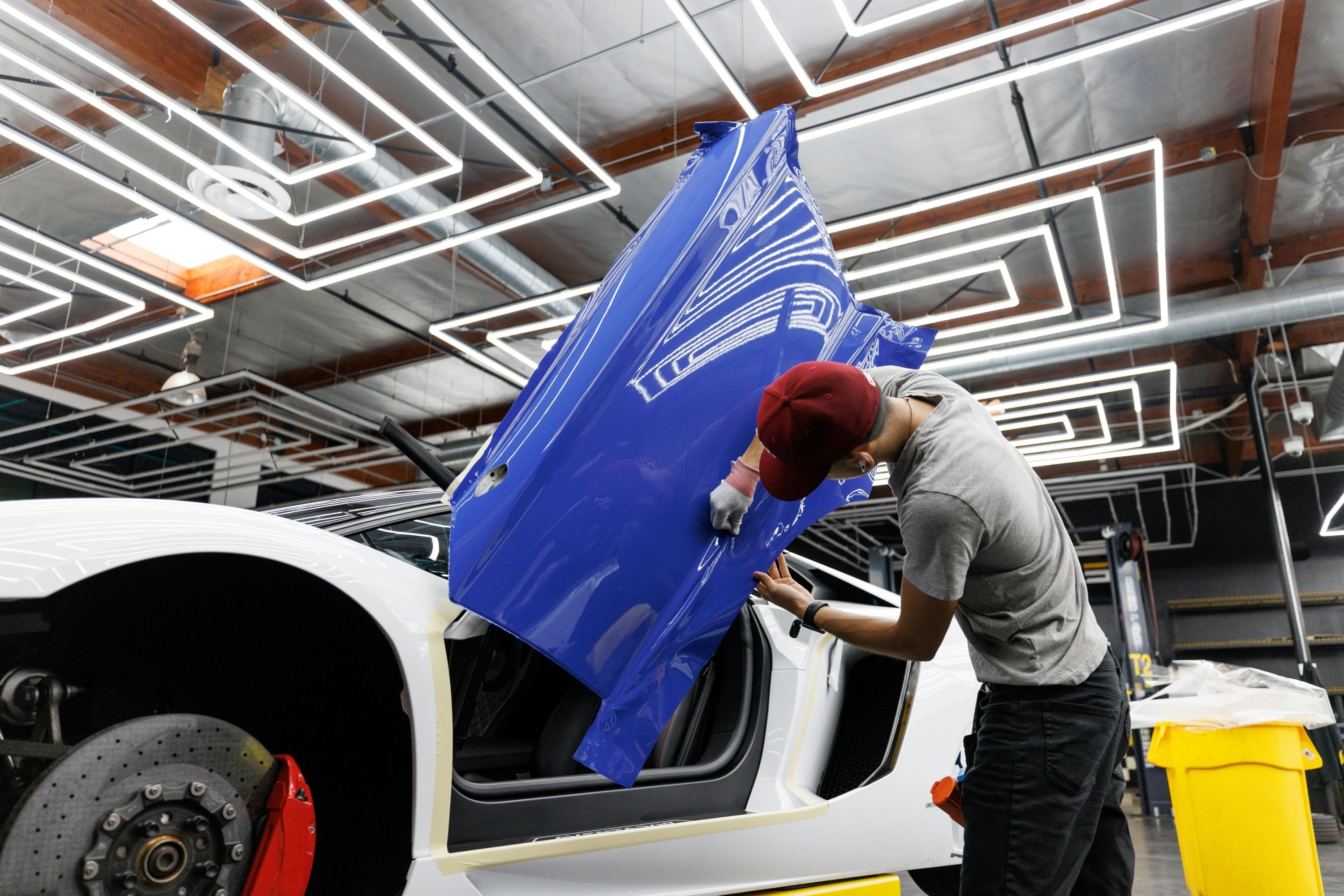
Vinyl wrapping has become one of the most popular ways to customize and protect surfaces like cars, furniture, electronics, and interior panels. For beginners, it may seem like a complex process that requires expensive tools and professional skills. However, the reality is much simpler—you only need a set of essential tools and a bit of practice to get started.
This guide walks you through the tools you actually need for vinyl wrapping and explains how each one contributes to achieving a clean, professional finish.
1. Vinyl Wrap Film
The most important material is, of course, the vinyl wrap itself. Choosing the right film plays a major role in how easy or difficult your project will be.
For beginners, it’s best to choose vinyl with air-release technology, which helps prevent bubbles during application. You’ll also find different finishes such as gloss, matte, satin, carbon fiber, and chrome. Among these, gloss and satin finishes are the most beginner-friendly because they are easier to handle and reposition.
2. Squeegee
A squeegee is one of the core tools in vinyl wrapping. It is used to smooth the vinyl onto the surface and remove air bubbles.
A felt-edged squeegee is highly recommended because it prevents scratches and damage to the vinyl surface. During application, the squeegee helps ensure that the vinyl adheres evenly without wrinkles or trapped air.
3. Heat Gun or Hair Dryer
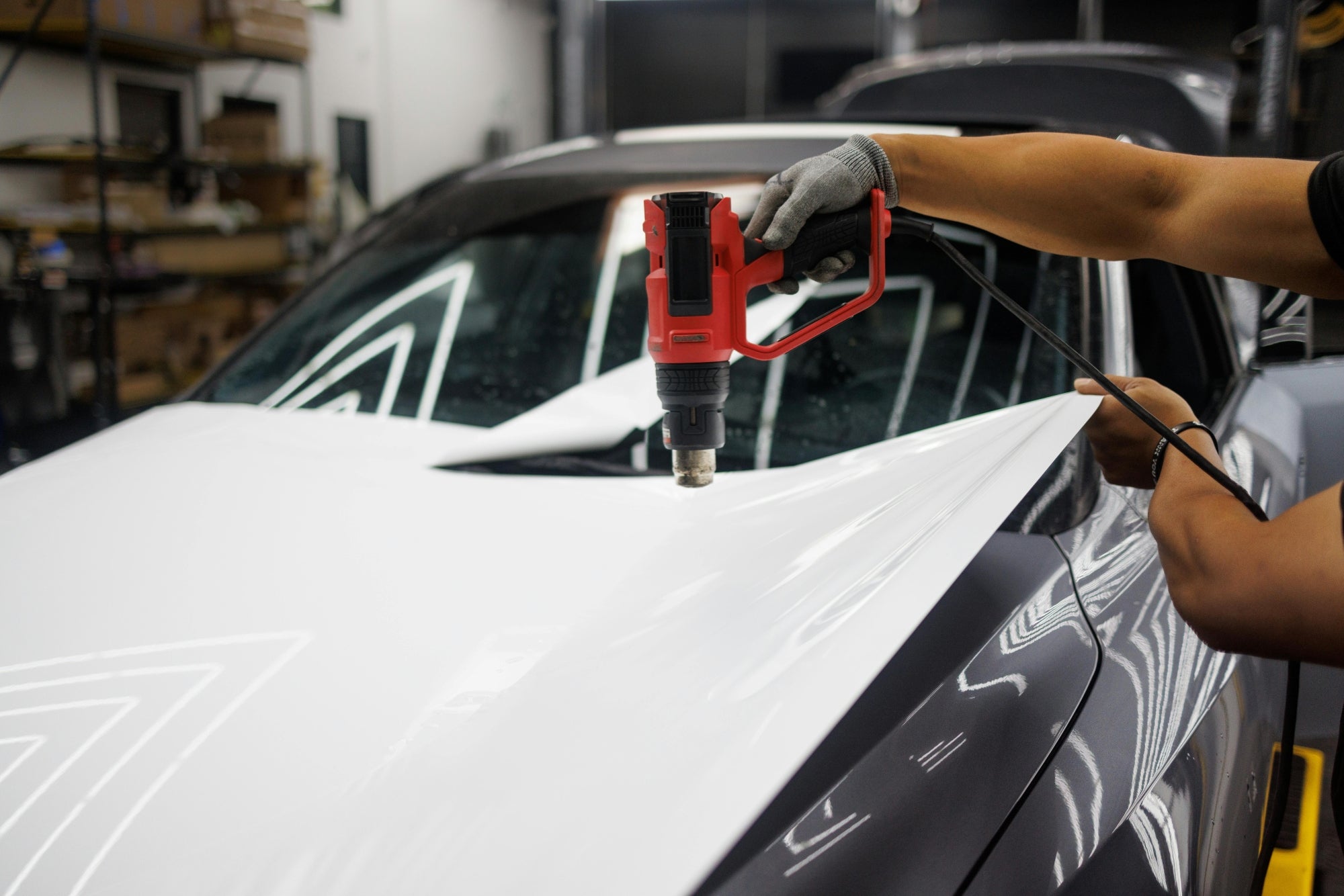
Heat is essential in vinyl wrapping, especially when working on curved or complex surfaces. A heat gun or hair dryer helps soften the vinyl, making it more flexible and easier to stretch.
Heat is also used to activate the adhesive and help the vinyl conform to edges and contours. Beginners should apply heat gradually to avoid damaging or overstretching the material.
4. Precision Cutting Knife
A sharp cutting tool is necessary for trimming excess vinyl and making precise cuts around edges, corners, and details.
A precision knife or utility knife with a replaceable blade works best. Keeping the blade sharp is important to ensure clean cuts and avoid tearing the vinyl.
5. Surface Cleaning Supplies
Proper surface preparation is critical before applying vinyl. Any dust, grease, or oil can prevent the vinyl from sticking properly.
Isopropyl alcohol combined with a microfiber cloth is commonly used to clean surfaces. This ensures the area is smooth, clean, and ready for vinyl application, improving adhesion and durability.
6. Gloves
Wearing gloves is optional but highly recommended. Gloves help prevent fingerprints, oil transfer, and contamination of the adhesive side of the vinyl.
Nitrile gloves are commonly used because they are clean, comfortable, and do not leave residue on the surface.
7. Masking Tape or Magnets
These tools are useful for positioning the vinyl before final application. They allow you to temporarily hold the vinyl in place and adjust alignment as needed.
Masking tape can also be used as a guide to help maintain straight lines and accurate placement during installation.
8. Edge and Detail Tools
Edge tools, pry tools, and detailing picks are helpful when working on tight areas, seams, and corners.
These tools allow you to tuck the vinyl into gaps and around complex shapes, ensuring a seamless and professional-looking finish.
9. Microfiber Cloth
A microfiber cloth is essential for cleaning surfaces before application and for wiping away dust during the process.
It is soft, lint-free, and does not scratch the vinyl, making it ideal for preparation and final touch-ups.
10. Proper Workspace
While not a physical tool, your workspace is just as important as the tools themselves.
A clean, dust-free, and well-lit environment is ideal for vinyl wrapping. Avoid working in windy or dirty areas, as dust particles can get trapped under the vinyl and affect the final result.